San Gorgonio 3 Case Study
Background:
Remote capital work carries a pricing problem that urban work does not. When a site sits hours from the nearest supply chain, the cost of simply being able to work there (access, power, lodging, mobilization, weather float) can rival the cost of the work itself, and the small pool of contractors able to bid it makes market pricing an unreliable guide. At Clarisight Consulting (Clarisight), we build independent, traceable cost bases for exactly these conditions, so owners can test a bid rather than accept it.
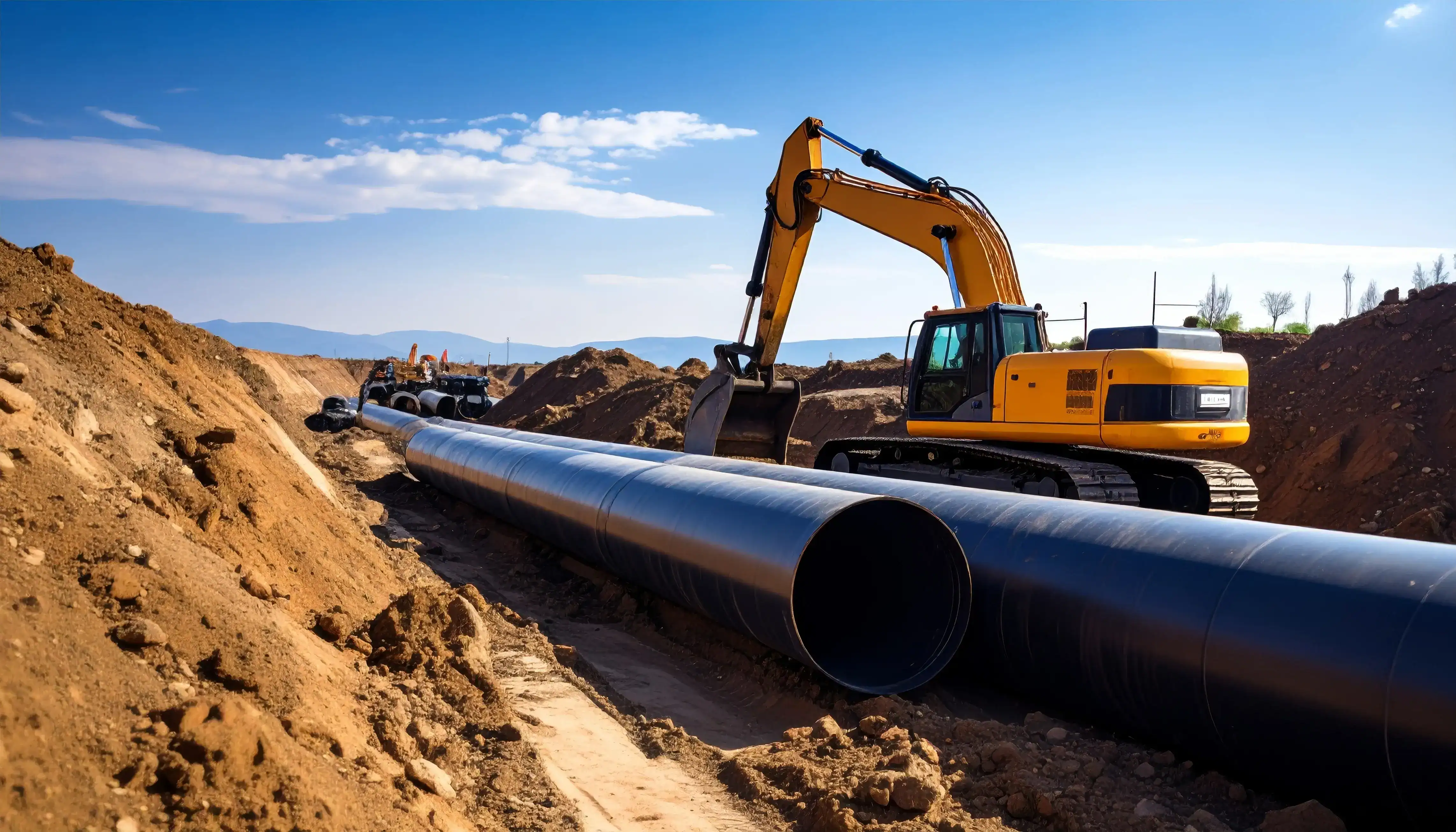
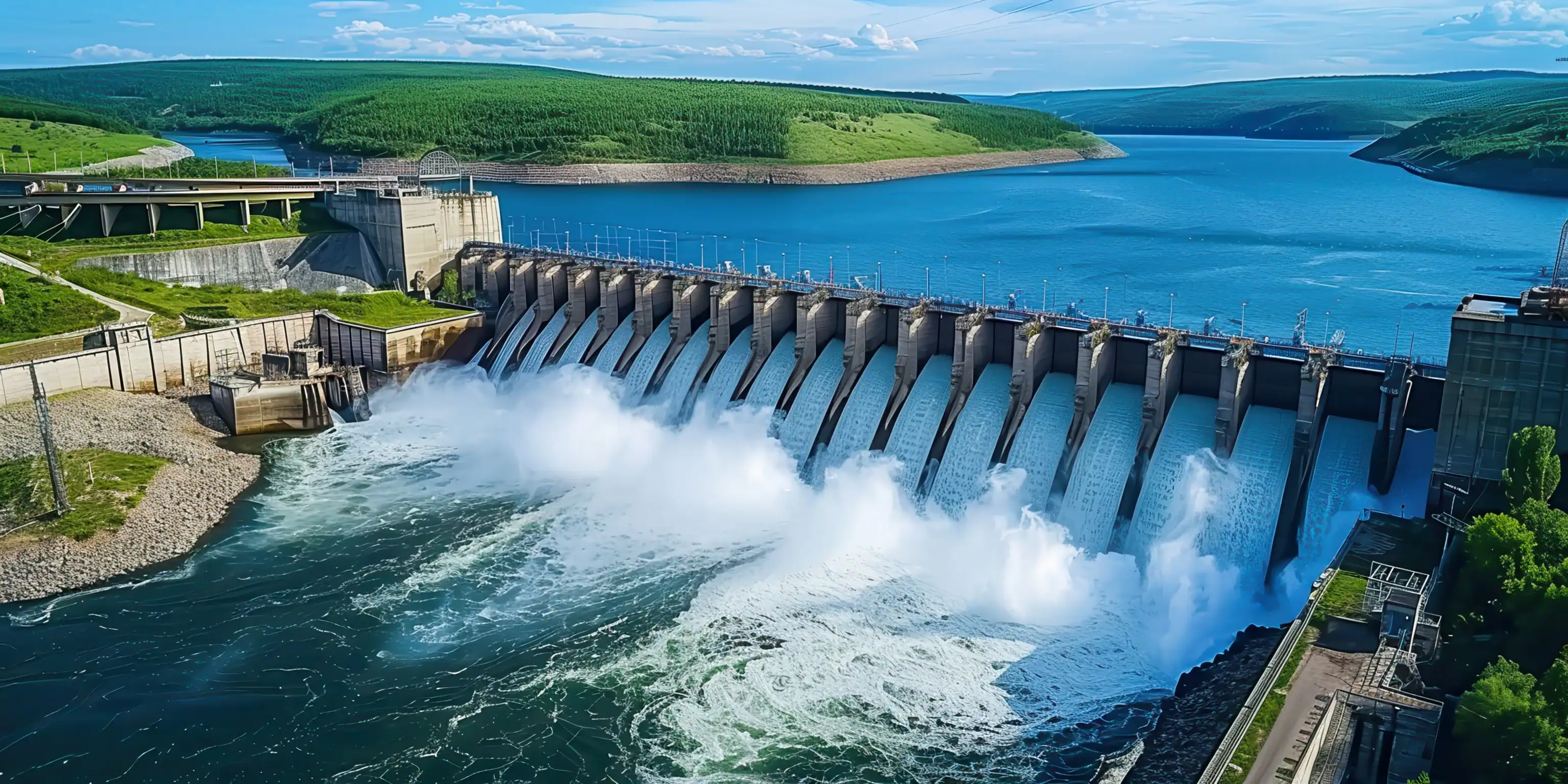
A major investor-owned utility in Southern California operates a remote hydroelectric water conveyance system inside a national forest at roughly 7,000 feet. After wildfire damaged the system, the utility launched a multi-phase program to restore the flowline, decommission two powerhouses, and transfer the system to three local water agencies, enabling surrender of its federal operating license.
The Challenge: Pricing Work That Few Contractors Can Bid
The utility needed an independent, defensible cost estimate before awarding a multi-season contract on the final phase. The execution profile is unusually difficult, and with few contractors capable of the work, bid pricing could vary widely. Leadership needed a reference point strong enough to test those bids and to carry the business case through regulatory review.
The conditions driving that variance:
• Alpine terrain at roughly 7,000 feet, with no grid power on site.
• A single unpaved access road prone to washouts.
• A construction window limited to April through October.
• Helicopter delivery for materials and equipment.
• Specialty drilling and bore crossings in fragmented bedrock.
• A thin bidder pool, leaving wide variance in expected pricing.
Our Approach: An Independent Class 2 Estimate, Built Bottom-Up
Clarisight developed an independent AACE Class 2 cost estimate paired with a full risk assessment, following a structured five-step process. The estimate was built bottom-up at the bid-item level across several construction packages, priced across both route alignments and both schedule scenarios put to bidders, and mirrored the client’s bid-item numbering so every line could be compared directly against bid returns.

What We Delivered
• A documented AACE Class 2 cost estimate, priced across both alignments and both schedule scenarios.
• A Basis of Estimate recording every assumption, exclusion, and productivity factor.
• A schedule of values structured to the client’s own bid-item numbering.
• A three-tab risk register with contingency calculated from quantified exposure.
• A procurement playbook covering pre-bid outreach, disclosure of work restrictions, backup subcontractors, and unit-price structures.
The Outcome: A Number the Client Could Defend
• Field conditions became planning factors. Roughly 50 percent productivity at elevation and five productive hours per ten-hour shift were carried as documented, defensible assumptions rather than informal judgment.
• Contingency built from risk, not allowance. Building up from a quantified risk register rather than a broad percentage gave the client the rigor to carry the budget request through leadership approval and into regulatory review.
• The largest cost lever named. Bidder participation was identified as the owner’s single biggest influence on price, which is why the procurement playbook was delivered alongside the estimate rather than after it.
• Remote cost structure explained, not excused. An indirect-to-direct ratio near 105 percent, against a 40 to 60 percent urban norm, is not an anomaly. On a remote alpine site, it is what self-sufficiency costs.

The client entered bid evaluation with a traceable cost basis, an explicit risk-adjusted range, and a clear view of which risks move the number.
Where This Sits in PCAR: Cost, Risk, and Procurement Maturity
An independent estimate is a point-in-time deliverable. The capability to produce one is not. Clarisight’s proprietary Project Controls Assessment Roadmap (PCAR), the three-phase framework behind our PMO Maturity Assessment & Benchmark, scores an organization’s delivery capability across eight assessment categories, and an engagement like this one exercises three of them directly. Cost & Financial Management covers estimating practice, historical data, contingency method, and variance reporting. Risk & Issue Management covers risk identification, mitigation, and integration with cost and schedule controls. Procurement & Contracts Management covers contracting strategy and supplier performance monitoring. Scored against phase-gate requirements on a four-tier scale (Informal, Standardized, Monitored, Optimized), these categories answer a question owners rarely ask directly: can we produce a defensible number on demand, or only when outside help is engaged?
The pattern this program illustrates is a common one. Owners who reach for an independent estimate late, after scope is fixed and a contract is imminent, usually score low on Cost & Financial Management for the same underlying reason: no retained history of production rates and indirect ratios from comparable work. The elevation productivity factor and the 105 percent indirect ratio established here are exactly the kind of parameters a mature PMO retains and reuses, turning one estimate into the benchmark for the next. Surfacing that gap, and sequencing the work to close it, is what the PCAR assessment is built to do. It measures not just what a program costs, but whether the organization is set up to know.
Conclusion
Whether the immediate need is a single defensible estimate or a full assessment of estimating and risk capability, the objective is the same: give the owner a number they can stand behind and a clear view of what moves it. Clarisight helps clients move from reactive project management to a proactive, insight-driven PMO.
Ready to elevate your delivery capabilities? Contact us at npanchal@clarisight.com to explore how we can help you transform your project challenges into strategic opportunities.